

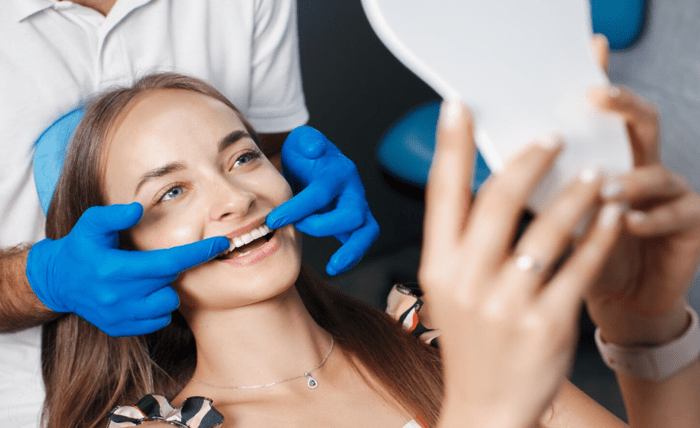
Dental veneers have been one of the most requested cosmetic treatments for international patients visiting Turkey for over a decade, and demand continues to grow in 2026. The combination of a dramatic aesthetic result, a short treatment timeline (most veneer cases completed within 5–7 days), and pricing that is 60–80% lower than UK equivalents makes Antalya the destination of choice for patients seeking a complete smile transformation. Dental Harmony Turkey provides veneer packages for international patients with full English-language coordination from initial assessment through to the final fitting appointment.
What Are Dental Veneers?
A dental veneer is a thin shell of ceramic or composite material bonded to the front surface of a natural tooth. Unlike a crown, which covers the entire tooth, a veneer covers only the visible front surface, requiring minimal removal of healthy tooth structure in most cases. Veneers are used to change the shape, size, colour, or alignment appearance of teeth — effectively creating a new smile without orthodontic treatment. The most significant practical point about veneers is that they are a long-term commitment: once a tooth has been prepared for a veneer, it will always need a veneer or crown on that surface.
Types of Veneers Available in Turkey
Porcelain veneers are the most common type requested by international patients. Porcelain is strong, highly stain-resistant, and produces a natural, semi-translucent appearance. Fabricated in a dental laboratory from impressions or digital scans, they are cemented to the prepared tooth surface with a strong bonding agent. With proper care, porcelain veneers last 10–15 years or more.
E-max veneers use lithium disilicate ceramic — a material known for its exceptional light-transmitting properties that closely mimics the translucency of natural enamel. E-max is the preferred choice for upper front teeth where the most natural appearance is the priority. Dental Harmony Turkey’s E-max crowns in Antalya and veneer service uses this material specifically for patients who want the highest level of anterior aesthetics, with shade selection and light transmission matched to the surrounding natural teeth.
Composite veneers are applied directly to the tooth surface in a single appointment — no laboratory fabrication required. They are more affordable than ceramic but less durable and more prone to staining over time. They are best suited to patients who want an immediate result at lower cost, or who want to trial a new smile shape before committing to ceramic.
2026 Veneer Price Comparison
| Country / Region | Average Cost | Notes |
| UK (porcelain, per tooth) | £500 – £1,200 | Harley Street and London practices above this range |
| Germany (per tooth) | €400 – €1,000 | Not covered by statutory insurance; private only |
| Netherlands (per tooth) | €450 – €1,000 | Private market; strong demand for Turkish alternatives |
| Turkey (Dental Harmony Turkey) | £225 – £300 | Porcelain or E-max; package pricing for 6, 10, 20 teeth |
Veneer Packages: How They Work
Most patients treat between 6 and 10 teeth for a complete smile zone transformation, though some patients treat only the most visible teeth (typically the upper four to six). Dental Harmony Turkey offers package pricing for multiple veneers in a single visit, with the per-tooth cost typically reducing slightly for larger packages. The package should always be tailored to your specific smile: the number of veneers, the shade, and the shape should all be agreed during the design consultation, not assumed from a standard package template.
The Veneer Treatment Timeline in Turkey
- Remote consultation — Photos submitted; clinic assesses tooth condition and discusses expectations and shade preferences.
- Digital smile design — On arrival, a digital preview of the final result is generated where available for patient approval before any preparation begins.
- Shade and shape selection — Shade guide and shape templates reviewed; final design agreed with the patient in writing.
- Tooth preparation — A thin layer of enamel (typically 0.3–0.7mm) removed from each tooth to be veneered; impressions or digital scans taken and sent to the laboratory.
- Temporary veneers — Temporary restorations placed while permanent veneers are fabricated (typically 2–3 days in Antalya’s in-country laboratories).
- Final bonding — Permanent veneers checked for fit, shade, and margins; bonded using a light-cured resin cement; bite adjusted and polished.
What to Discuss Before Booking
- Whether you want porcelain, E-max, or composite — and the clinical recommendation for your specific teeth
- The exact shade you want (ask to see a shade guide; ultra-white can appear unnatural in person on many patients)
- Whether any preparatory work is needed (decay treatment, gum health, whitening of untreated teeth before shade selection)
- The clinic’s aftercare policy if a veneer chips or comes loose after you return home
- Whether a night guard is recommended to protect the veneers during sleep
How Long Do Veneers Last?
Porcelain and E-max veneers last 10–15 years on average with good oral hygiene and no bruxism. Patients who grind their teeth should discuss this with the treating dentist before proceeding, as a night guard is strongly recommended to protect the restorations from nocturnal wear. Composite veneers have a shorter lifespan of 5–7 years and may require more frequent polishing or minor repair.
Final Thoughts
Veneers in Turkey in 2026 represent one of the clearest value propositions in cosmetic dentistry for international patients. The material quality is equivalent to UK and European counterparts, the treatment timeline suits a single trip, and the savings across a 6–10 veneer package are substantial. For patients looking for the Best Dentist in Antalya for a smile makeover, Dental Harmony Turkey provides a full cosmetic assessment, digital smile preview, and ceramic fabrication within a single visit to Antalya.